
Fan Speed vs Airflow in Industrial HVAC and Ventilation Systems
Fan Speed vs Airflow directly affects cooling efficiency, ventilation stability, motor load, and equipment reliability in industrial HVAC systems. In many industrial plants, technicians increase fan RPM to improve airflow without realizing that incorrect speed changes can gradually create vibration, overheating, bearing stress, and unstable system performance over time.
In Gulf industrial plants, maintenance teams often face overheating problems, weak ventilation, or unstable cooling tower performance during summer shutdown periods. Before changing pulley sizes or increasing motor speed, technicians frequently verify RPM behavior using the Pulley RPM Calculator to prevent airflow imbalance and unnecessary equipment stress. Many engineers also compare system behavior using the How to Calculate Pulley RPM guide to confirm whether pulley ratio changes are increasing airflow safely.
Understanding the relationship between fan speed and airflow helps technicians improve cooling performance, stabilize ventilation systems, reduce energy consumption, and prevent repeated mechanical failures in HVAC blowers, cooling towers, exhaust systems, air handling units, and industrial ventilation systems.
How Fan Speed Affects Airflow
Fan speed directly controls the amount of air moved through an industrial ventilation system. As fan RPM increases, airflow volume also increases. However, airflow improvement is not always linear because resistance, static pressure, duct restrictions, and belt drive conditions affect final performance.
Industrial airflow systems typically include:
- Electric motors
- Drive pulleys
- V belts
- Fan shafts
- Bearings
- Blower wheels
- Air handling units
- Duct systems
When fan speed changes, the entire mechanical system experiences changes in:
- Airflow volume
- Motor load
- Bearing temperature
- Belt tension
- Static pressure
- Power consumption
- Vibration levels
Many industrial airflow problems are actually caused by incorrect pulley ratios, slipping belts, or overloaded motors rather than defective fans.
In large HVAC and cooling tower systems, these issues often continue unnoticed until operators experience unstable cooling performance, rising motor amperage, or repeated belt replacement problems during peak operating conditions.
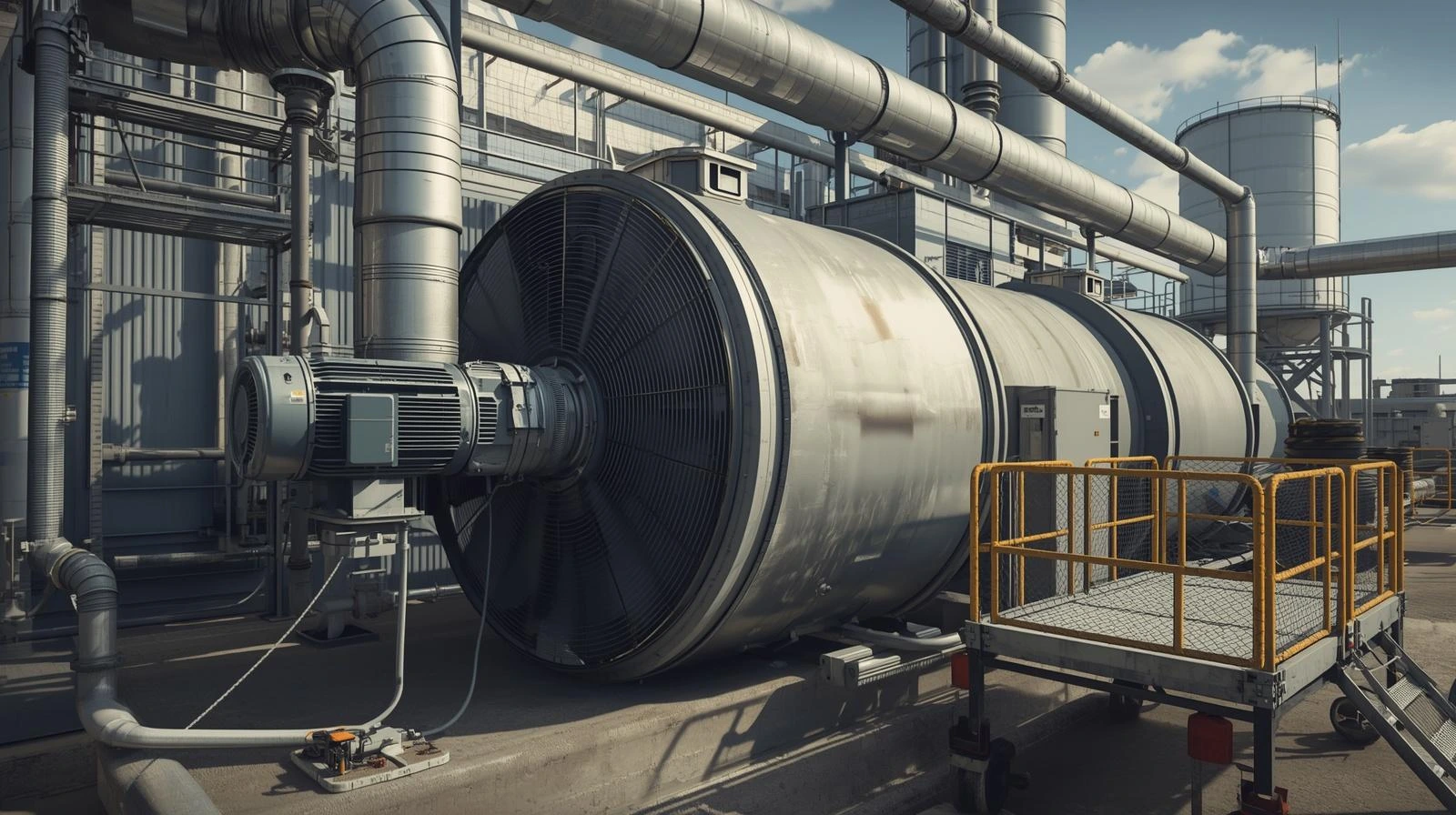
Fan Speed vs Airflow Formula Explained
Industrial ventilation systems commonly follow the fan affinity laws.
The airflow relationship formula is:
Airflow 1 ÷ Airflow 2 = RPM 1 ÷ RPM 2
This means airflow changes proportionally with fan speed.
Example:
- 1000 RPM produces 10,000 CFM airflow
- 2000 RPM can theoretically produce 20,000 CFM airflow
However, increasing fan speed also dramatically increases:
- Motor amperage
- Bearing load
- Vibration
- Heat generation
- Energy consumption
For this reason, technicians must calculate airflow changes carefully before modifying pulley sizes or motor RPM.
Experienced maintenance teams usually verify airflow performance, motor load, vibration trends, and RPM stability together because airflow problems are often connected to multiple mechanical conditions inside the belt drive system.
This relationship is closely connected to Belt Speed Calculation Formula because pulley RPM directly controls airflow output. Technicians also use the Belt Drive RPM Calculation method during HVAC troubleshooting to verify whether fan airflow reduction is caused by pulley wear, belt slip, or incorrect speed ratios.
Real Industrial Example of Airflow Problems
Consider a cooling tower fan operating at:
- Motor RPM = 1440
- Fan RPM = 720
- Airflow = 15,000 CFM
A maintenance team decides to increase airflow by installing a larger driver pulley.
After modification:
- Fan RPM increases to 900
- Airflow increases significantly
- Motor current rises sharply
- Bearing temperature begins increasing
Within weeks, technicians notice:
- High vibration
- Belt dust accumulation
- Motor overheating
- Pulley wear
The actual problem was not the fan itself. The system exceeded safe operating limits after pulley modification.
These situations are frequently related to Motor Pulley Sizing Guide, Belt Slip and RPM Loss, belt tension adjustment guide, industrial airflow balancing, and cooling tower vibration troubleshooting.
Industrial Fan Speed and Airflow Reference Table
| Fan RPM | Estimated Airflow | Industrial Application | Operational Risk | Recommended Inspection |
|---|---|---|---|---|
| 500 RPM | Low airflow | Warehouse ventilation | Poor cooling | Check pulley ratio |
| 720 RPM | Moderate airflow | Cooling tower system | Stable operation | Monitor vibration |
| 900 RPM | High airflow | Industrial exhaust fan | Bearing stress | Check belt tension |
| 1100 RPM | Very high airflow | Heavy process ventilation | Motor overload | Perform amperage testing |
Most airflow instability problems develop gradually during continuous operation. Early RPM verification and vibration monitoring help technicians identify unsafe airflow conditions before larger mechanical failures appear.
Common Technician Mistakes During Airflow Troubleshooting
One of the biggest industrial maintenance mistakes is increasing fan RPM without understanding airflow resistance and system limitations.
Common technician errors include:
- Installing incorrect pulley sizes
- Ignoring motor amperage
- Skipping alignment checks
- Ignoring belt slip
- Increasing RPM beyond design limits
- Ignoring bearing lubrication
Many airflow problems are not caused by low fan speed at all. They are often caused by:
- Dirty filters
- Blocked ducts
- Worn belts
- Misaligned pulleys
- Damaged blower blades
These issues are frequently connected to Pulley Alignment Problems, Pulley Wear Symptoms, fan vibration analysis, industrial bearing inspection, and shaft coupling inspection procedure.
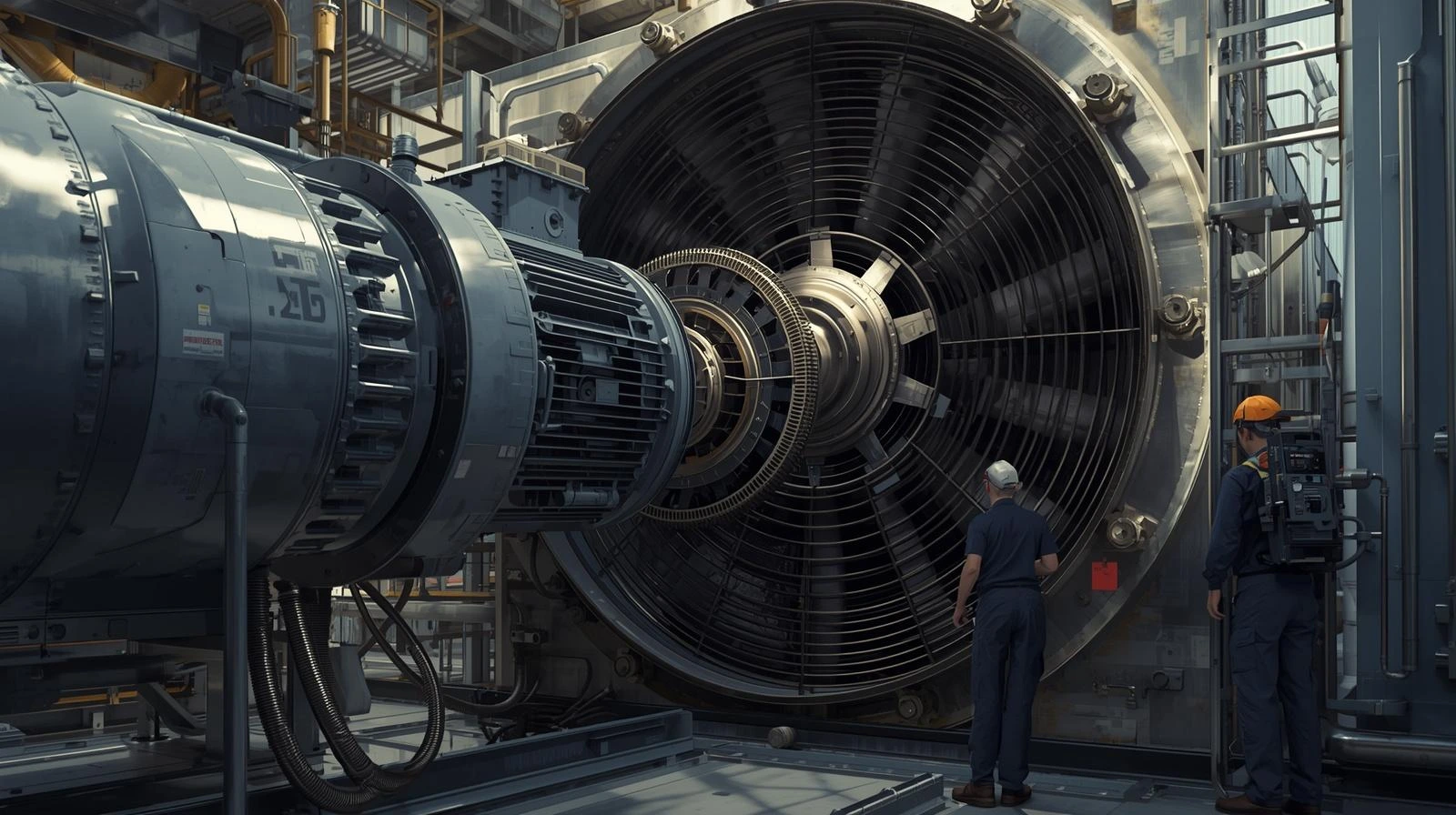
How Technicians Optimize Fan Speed Safely
Experienced technicians optimize airflow gradually instead of making aggressive RPM changes.
Safe optimization methods include:
- Checking pulley ratios carefully
- Monitoring motor current
- Inspecting belt condition
- Verifying shaft alignment
- Testing airflow performance
- Monitoring vibration levels
In industrial HVAC systems, technicians must balance:
- Airflow demand
- Energy efficiency
- Motor load
- Bearing reliability
- Equipment lifespan
Increasing fan speed may improve airflow temporarily but can shorten equipment life if the system exceeds safe design conditions.
In many industrial HVAC systems, aggressive RPM increases initially improve cooling performance but later create excessive bearing temperature, unstable belt tension, and higher maintenance cost during long-term operation.
For deeper understanding, technicians should also study Conveyor Belt Speed Calculation, Pulley Ratio Explained, cooling tower airflow optimization, shaft speed calculation basics, industrial ventilation balancing, belt drive efficiency calculation, and industrial fan balancing procedure.
Why Fan Speed Problems Create Hidden Downtime Risks
Many industrial airflow failures develop slowly over time.
Technicians may initially notice:
- Reduced airflow
- High motor amperage
- Minor vibration
- Hot bearings
- Belt dust near pulleys
If ignored, these small warning signs eventually create:
- Unexpected shutdowns
- Cooling failure
- Production loss
- Motor burnout
- Bearing seizure
One common issue in Gulf HVAC systems is excessive fan speed during peak summer conditions. Maintenance teams increase airflow aggressively to improve cooling without checking motor load or vibration trends.
Initially the system appears stable, but after several weeks bearings begin overheating and belts deteriorate rapidly.
Maintenance teams often discover these airflow problems late because small RPM changes may continue affecting cooling efficiency and mechanical stability long before visible equipment failure occurs.
Real-World Engineering Insight
During a shutdown inspection in a Gulf cooling tower facility, our team investigated repeated bearing failures on an industrial fan assembly. Previous technicians had already replaced bearings multiple times without solving the root cause.
After performing RPM testing and pulley inspection, we discovered the fan RPM had been increased significantly by installing an oversized driver pulley to improve airflow.
The airflow increased temporarily, but the higher fan speed overloaded bearings and increased shaft vibration beyond safe operating conditions.
After correcting pulley sizing, adjusting belt tension properly, and balancing the fan assembly, bearing temperature dropped and vibration stabilized immediately.
Experienced technicians understand that fan speed vs airflow is not only about moving more air. It directly affects bearing life, energy efficiency, motor reliability, vibration behavior, lubrication stability, and long-term maintenance cost.
Frequently Asked Questions
What is the relationship between fan speed and airflow?
As fan RPM increases, airflow volume also increases according to the fan affinity laws.
Can increasing fan speed damage equipment?
Yes. Excessive fan RPM can overload motors, increase vibration, damage bearings, and reduce equipment lifespan.
Why does airflow sometimes remain low at high RPM?
Blocked ducts, dirty filters, belt slip, and airflow resistance can reduce airflow even at higher fan speed.
How do technicians verify fan airflow problems?
Technicians use airflow testing, RPM measurement, vibration analysis, pulley inspection, and motor amperage monitoring.
Why is pulley sizing important in airflow systems?
Pulley size controls fan RPM, which directly affects airflow performance and mechanical load.
Use RPM Tools for Accurate Airflow Troubleshooting
For accurate airflow troubleshooting and pulley speed verification, technicians should use the Pulley RPM Calculator to calculate fan RPM changes, pulley ratios, and airflow-related speed adjustments before making major HVAC modifications. Engineers also use the How to Calculate Belt RPM resource and the Pulley Speed Ratio Formula guide to improve troubleshooting accuracy during industrial airflow inspections.