
Torque vs RPM Explained (Simple Guide + Real Examples)
Torque vs RPM explained is one of the most important concepts for technicians and engineers working with motors, pumps, and rotating equipment. In real maintenance work, understanding how torque and RPM relate helps you troubleshoot performance issues and select the right equipment.
Technicians often face situations where machines run at high speed but fail to deliver power. In Gulf industries such as oil & gas, HVAC, and manufacturing plants, misunderstanding this relationship leads to wrong motor selection and frequent breakdowns.
This guide explains torque vs RPM in simple, practical terms with real-world insights.
👉 For torque calculations: Torque Calculator (Nm ↔ lb-ft)
Torque vs RPM Explained in Simple Terms
Torque is the rotational force, while RPM (Revolutions Per Minute) is the speed of rotation. In simple terms:
- Torque = strength of rotation
- RPM = speed of rotation
👉 Learn basics: What is Torque in Engineering
In real maintenance work, both torque and RPM must be balanced. A motor with high RPM but low torque cannot move heavy loads effectively.
A common mistake I’ve seen is technicians focusing only on speed without checking torque requirements.
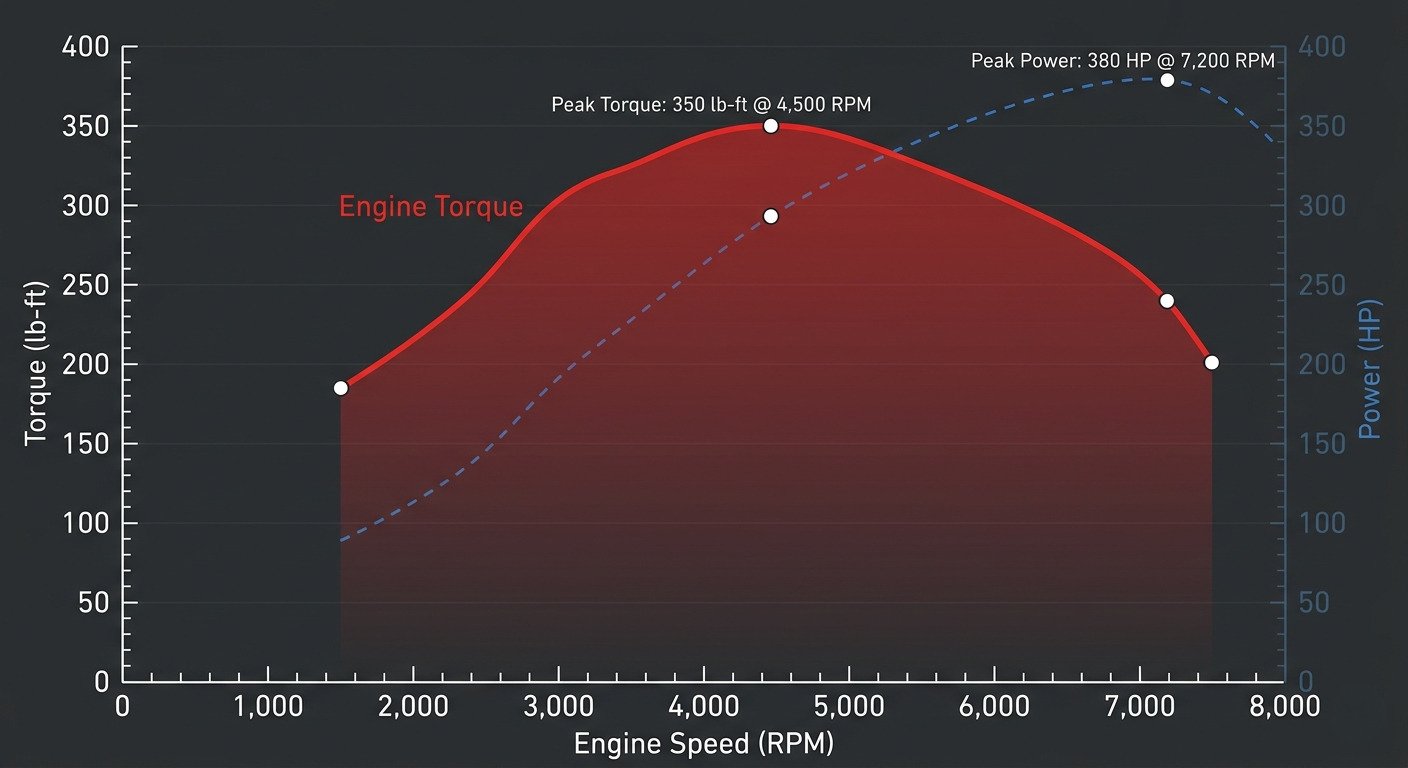
Figure: Relationship between torque and RPM in rotating systems.
Relationship Between Torque and RPM in Real Work
Torque and RPM are inversely related when power remains constant. This means increasing speed reduces torque, and increasing torque reduces speed.
When power is approximately constant, torque and RPM have an inverse relationship. Increasing RPM reduces available torque, while reducing RPM allows higher torque for the same power.
- At constant power → higher RPM means lower torque
- At constant power → lower RPM means higher torque
👉 Understand how torque connects with power: Torque and Power Relationship
In real maintenance work, this relationship is critical when working with motors and gear systems. For example, conveyors require high torque but low speed, while fans require high speed but low torque.
Technicians often face problems when they ignore load requirements and only consider motor speed.
Torque vs RPM in Motor Applications
In Gulf industries, motors are used in different applications where torque and RPM must match the load:
- Pumps → torque and RPM depend on pump design and operating point
- Compressors → torque and RPM depend on compressor type and load
- Fans → often require relatively higher speed, with torque depending on fan size and operating point
👉 Learn motor calculations: Motor Torque Calculation Explained
In real maintenance work, selecting the wrong combination leads to overheating and system inefficiency.
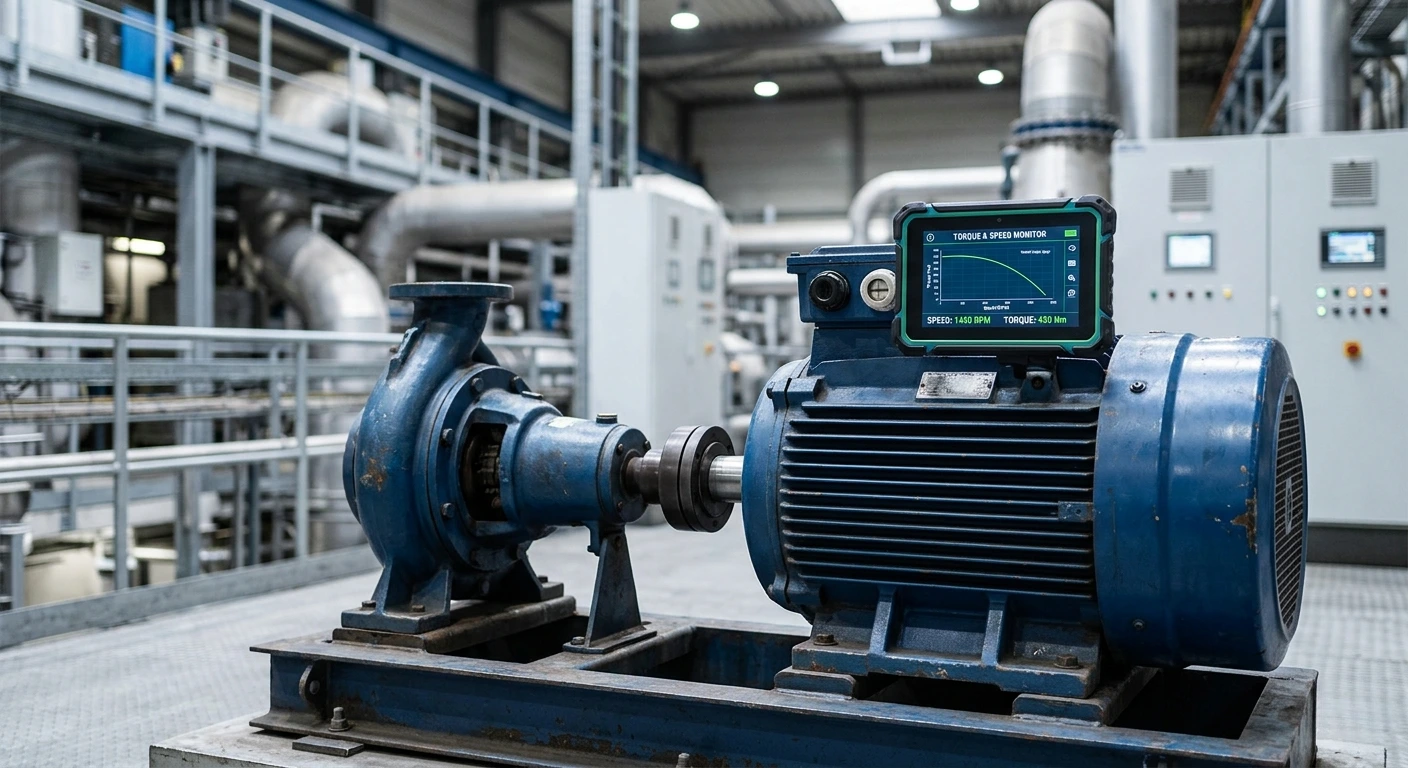
Figure: Torque and RPM applied in industrial motor systems.
Practical Example of Torque vs RPM
Let’s consider a real example:
- Motor Power = 5 kW
- Speed = 1500 RPM
For a 5 kW motor running at 1500 RPM, the theoretical shaft torque is approximately 31.8 Nm. If the same 5 kW power were available at 3000 RPM, the theoretical torque would decrease to approximately 15.9 Nm.
This demonstrates the inverse relationship between torque and RPM when power remains constant.
👉 Practical examples: Torque Calculation Examples Real Life
👉 For standard tightening values in mechanical assemblies: Bolt Torque Chart (Standard Values)
In real maintenance work, this explains why high-speed machines cannot handle heavy loads without gear reduction.
A common mistake I’ve seen is assuming higher speed always means higher performance.
Torque vs RPM Comparison Table
| Parameter | High Torque | High RPM | Use Case |
|---|---|---|---|
| Speed | Low | High | Heavy vs light systems |
| Torque at Constant Power | Higher | Lower | Load handling |
| Application | Compressors | Fans | Industrial use |
Common Torque vs RPM Mistakes
Technicians often make these mistakes:
- Ignoring load requirements
- Choosing high RPM motors for heavy loads
- Not using gear reduction
- Confusing power with torque
👉 Avoid these: Common Torque Mistakes
In real maintenance work, these mistakes lead to inefficiency and equipment failure.
When to Use High Torque vs High RPM
In real maintenance work, choosing between torque and RPM depends on application:
- Higher torque → useful when the application requires greater turning force
- Higher RPM → useful when the application requires greater rotational speed
- Gear reduction → can trade speed for higher output torque when required
👉 Related: Static vs Dynamic Torque
Technicians often face confusion when selecting motors without understanding application requirements.
Final Summary
Torque vs RPM explained helps technicians understand how speed and force work together in rotating systems. In real maintenance work, balancing torque and RPM ensures efficient performance and reduces failures.
Understanding this relationship allows better motor selection, troubleshooting, and system design.
Frequently Asked Questions (FAQs)
What is the difference between torque and RPM?
Torque is rotational force, while RPM is rotational speed.
Why are torque and RPM inversely related?
Because power remains constant, increasing speed reduces torque.
Which is more important, torque or RPM?
It depends on the application—heavy loads need torque, light loads need speed.
Where is torque vs RPM used?
It is used in motors, pumps, conveyors, and industrial machines.
Can high RPM replace torque?
No, high speed cannot replace the need for torque in heavy load applications.