
Mechanical Calculators (Torque, Belt Length & Pulley RPM Tools)
Mechanical calculations play a critical role in industrial maintenance, equipment installation, troubleshooting, and performance optimization. Engineers and technicians use mechanical calculators to accurately determine torque, belt length, pulley RPM, and belt speed in rotating machinery and belt-driven systems.
This Mechanical Calculators Hub provides a collection of practical engineering tools and guides used in real-world industrial environments. Whether you are installing a new belt drive, troubleshooting conveyor performance, optimizing HVAC airflow, or verifying motor speed, these calculators help reduce errors and improve system reliability.
This hub brings together the Torque Calculator, Belt Length Calculator, Pulley RPM Calculator, and Belt Speed Calculator to support maintenance engineers, technicians, mechanics, and industrial operators working with motors, pulleys, conveyors, fans, pumps, and other rotating equipment.
Together, these tools simplify complex engineering formulas and provide fast, accurate calculations that improve maintenance decisions, reduce downtime, and increase equipment efficiency.
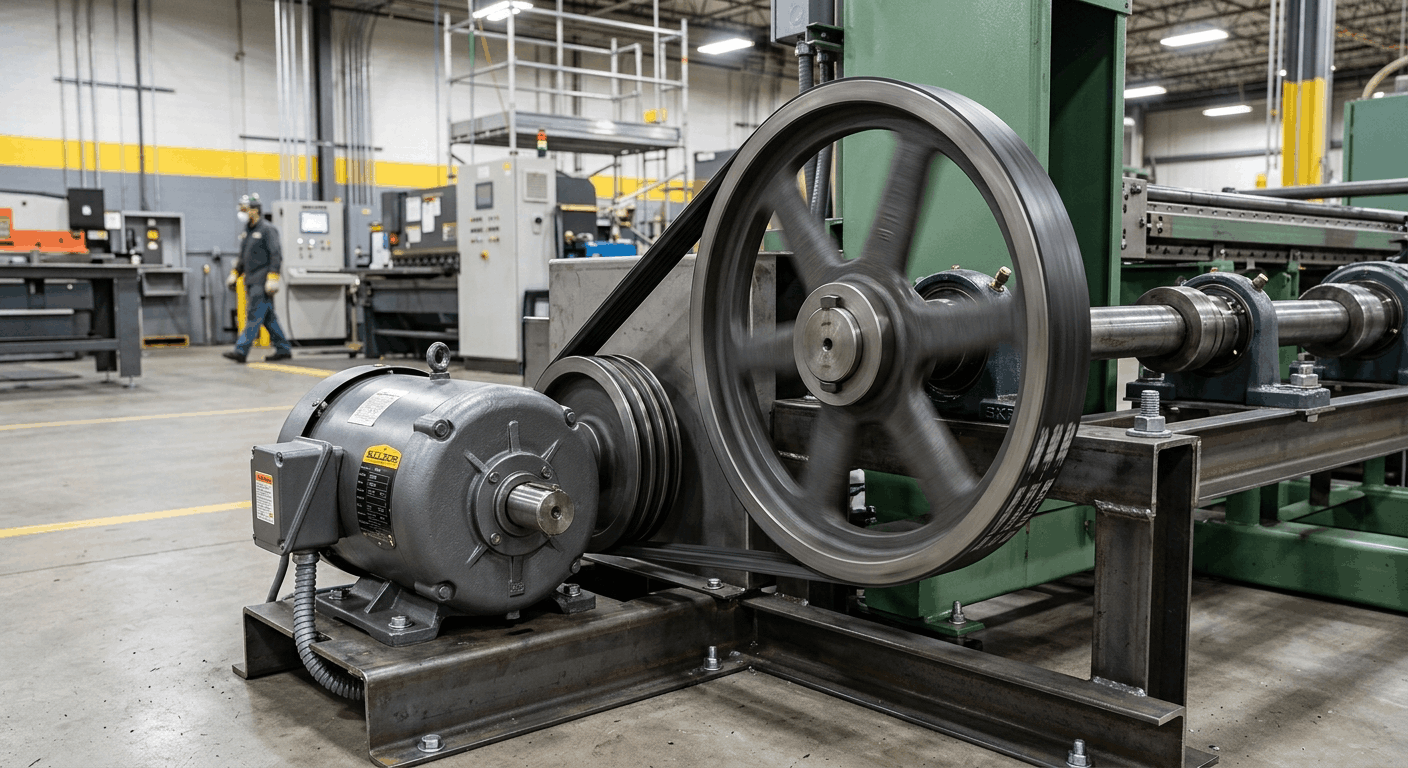
Explore practical engineering guides that help technicians and maintenance engineers understand belt drives, pulley systems, speed calculations, and common installation mistakes.
Use these industrial calculators to analyze torque, belt length, pulley RPM, belt speed, and overall system performance in rotating equipment.
In real industrial maintenance, mechanical calculations rarely work in isolation. Engineers and technicians often use multiple calculators together when installing, troubleshooting, and optimizing belt-driven equipment.
For example, when installing a motor-driven belt system:
For accurate system setup, maintenance engineers typically calculate belt length, verify pulley RPM, confirm belt speed, and apply the correct torque values before equipment commissioning.
Using these calculators together helps reduce downtime, improve energy efficiency, increase equipment reliability, and prevent common installation mistakes in industrial machinery.
Expand your understanding of belt drives, pulley systems, speed calculations, and industrial maintenance with these practical engineering guides.
These calculators are widely used across industrial maintenance, manufacturing, HVAC systems, conveyor operations, and rotating equipment troubleshooting.
In Gulf environments where dust, heat, and continuous operation place additional stress on machinery, accurate calculations help prevent premature failures, reduce downtime, and improve equipment reliability.
✔ Used by engineers, technicians, and maintenance professionals in real industrial environments
Mechanical calculators simplify complex engineering formulas and help maintenance teams make faster, more accurate decisions during equipment installation, troubleshooting, and performance optimization.
This Mechanical Calculators Hub helps engineers, technicians, and maintenance professionals understand the key calculations used in belt-driven equipment and rotating machinery.
Mechanical calculations are interconnected. A belt-driven system typically requires multiple calculations to achieve optimum performance, reliability, and efficiency.
Using these calculations together helps reduce downtime, improve energy efficiency, increase equipment reliability, and prevent common maintenance mistakes in industrial machinery.
Explore the engineering calculators above to simplify maintenance calculations and improve equipment performance.
The correct calculator depends on your task. For belt-driven systems, engineers typically start with belt length calculation, verify pulley RPM, confirm belt speed, and then apply proper torque values during installation and maintenance.
They help engineers and technicians perform accurate calculations for force, speed, and alignment, reducing errors and improving system performance.
Yes, these calculators are designed for real-world maintenance scenarios including motors, pulleys, and belt systems.
They simplify calculations but are based on standard engineering formulas used in mechanical systems.
It depends on your task. Start with belt length for installation, RPM for speed setup, and torque for tightening and force calculations.
Yes, these calculators are beginner-friendly and designed to simplify complex mechanical calculations.
Engineering Calculation Guides
🔧 Essential Mechanical Calculators
Calculate tightening torque, convert torque units, and verify rotational force requirements for industrial maintenance tasks.
Determine the correct belt length using pulley diameters and center distance for proper alignment and belt tension.
Calculate pulley ratios, driven RPM, shaft speed, and rotational speed transfer between pulleys.
Calculate belt velocity using pulley diameter and RPM for conveyor systems, HVAC equipment, industrial fans, and rotating machinery.
⚙️ How These Calculators Work Together
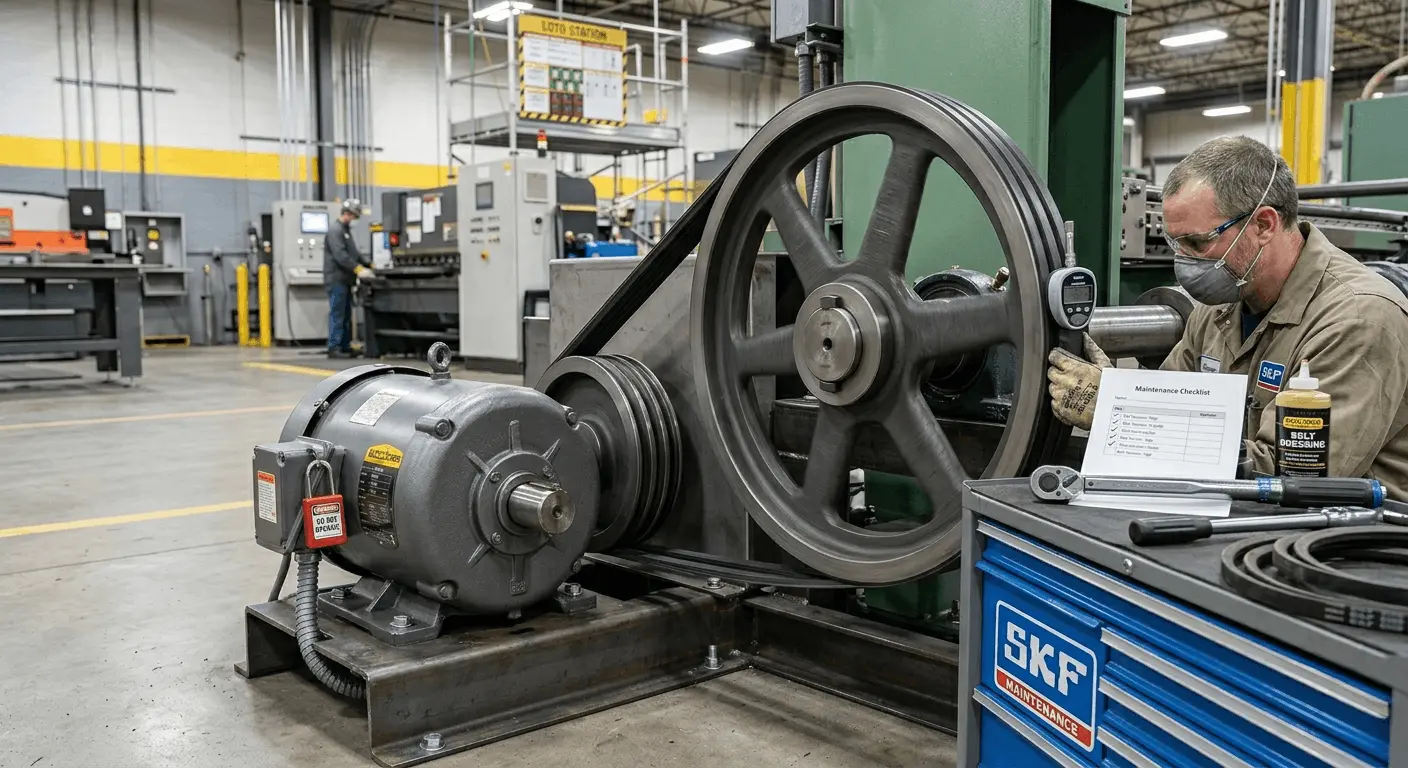
Advanced Belt Drive & Mechanical Engineering Guides
🏭 Real-World Applications
✅ Why Use These Mechanical Calculators
✔ Beginner-friendly while still suitable for experienced professionals
✔ Based on standard engineering formulas and maintenance practices
✔ Free to use with instant calculation results
What You Will Learn
🔗 Related Tools & System Optimization
Frequently Asked Questions
Which mechanical calculator should I use first?
Why are mechanical calculators important?
Can I use these tools for industrial maintenance?
Do these calculators replace manual formulas?
Which calculator should I use first?
Are these calculators suitable for beginners?